

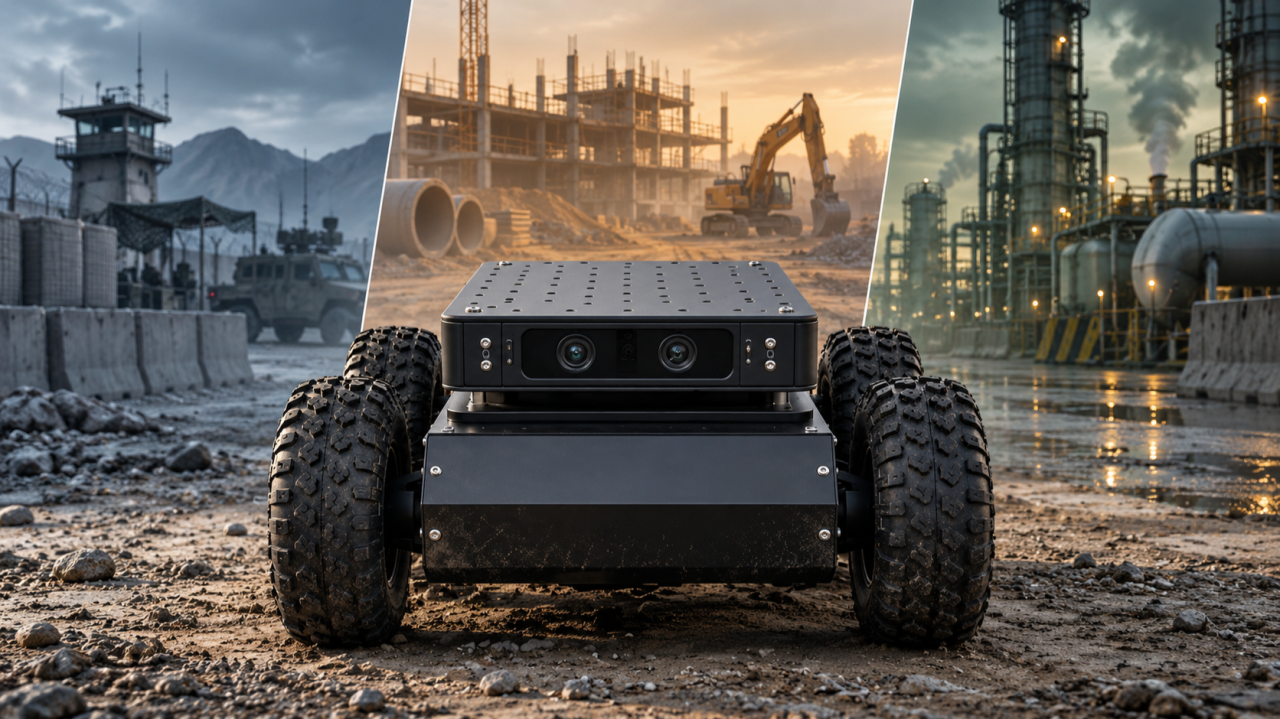

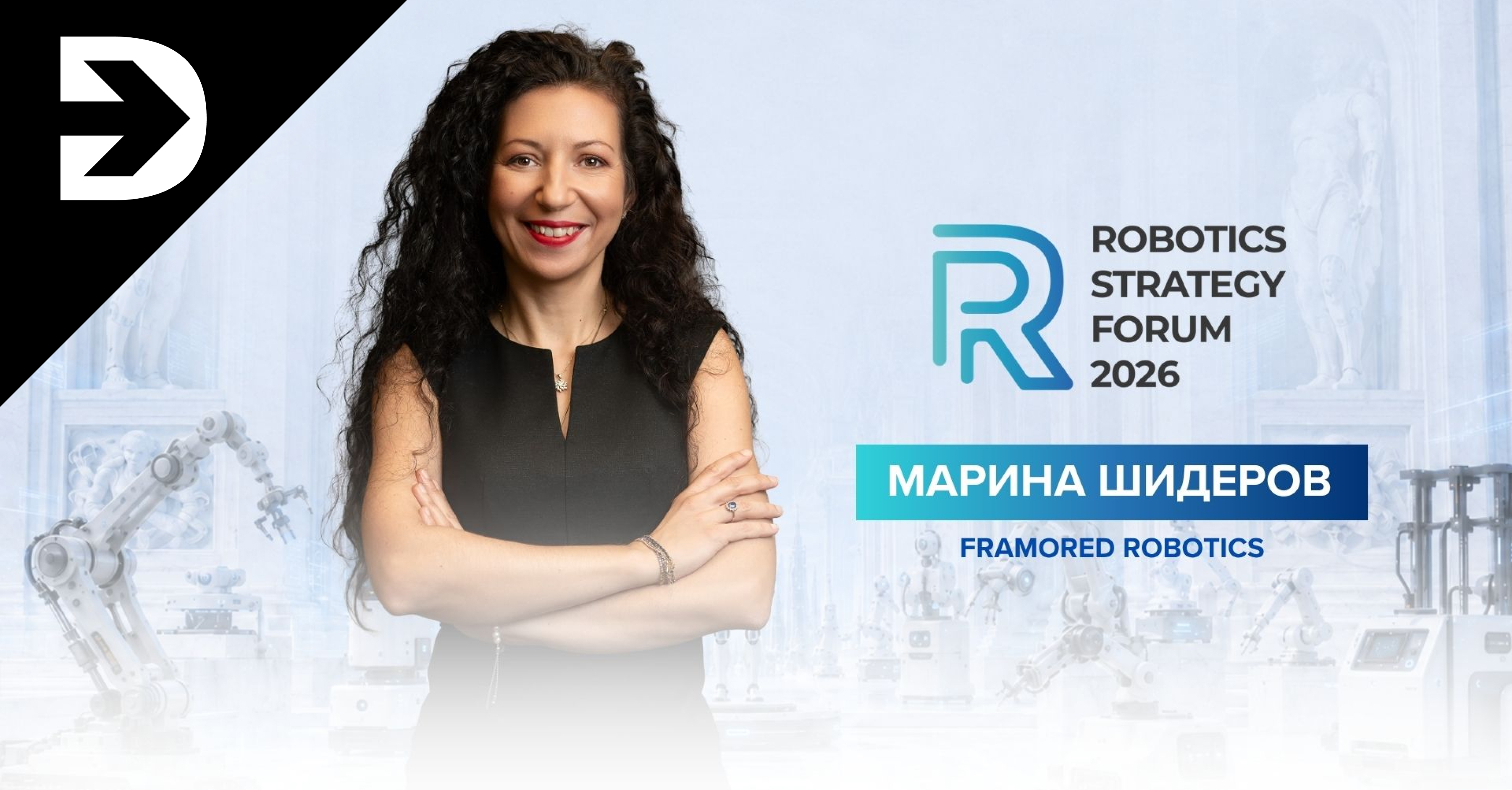
This is not the case for Marina Shideroff. She is building something in Bulgaria, a robot of a new generation.
"The outsourcing business is essentially white-label work," Marina shared during a recent interview.. "It’s executing other people's ideas and dreaming other people's dreams. It’s time for us to create something of our own."
That "something" is Framored—and it’s taking autonomous robotics out of the realm of science fiction and putting it directly onto hazardous work sites, construction zones, and defense perimeters.
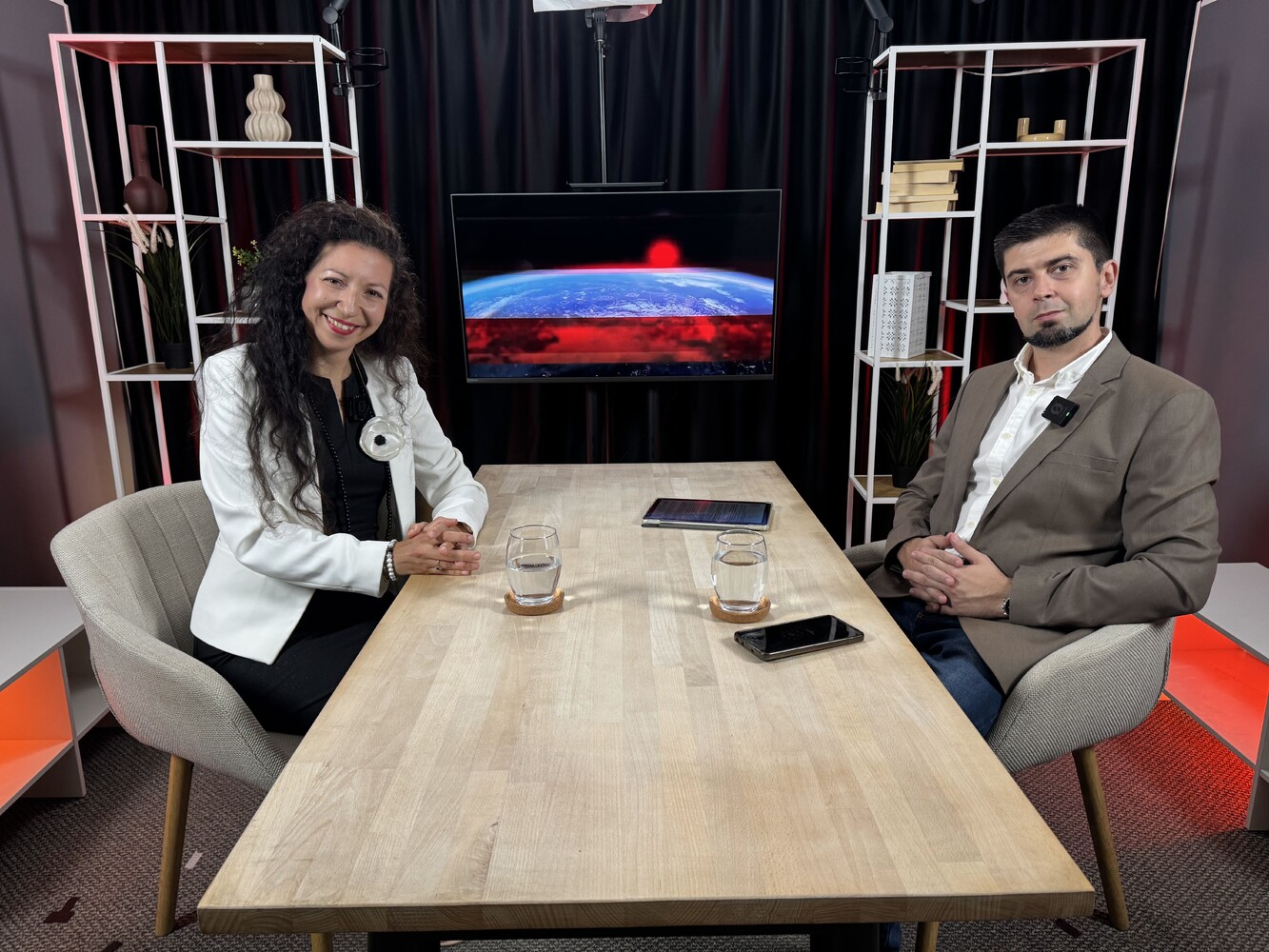
Marina’s path to robotics wasn't traditional. Trained as an industrial design engineer in Germany, she spent the early part of her career designing everything from laptops and navigation systems to concept cars with Volkswagen. Later, she ran a software agency that built digital products for over 500 clients worldwide.
So why make the jump from sleek digital apps to heavy, physical hardware?
The idea clicked for Marina during a quiet moment with her son. While watching a documentary on Chernobyl, he turned to her and asked, "Mom... why didn't they send robots?" That simple question sparked the core vision behind her invention.
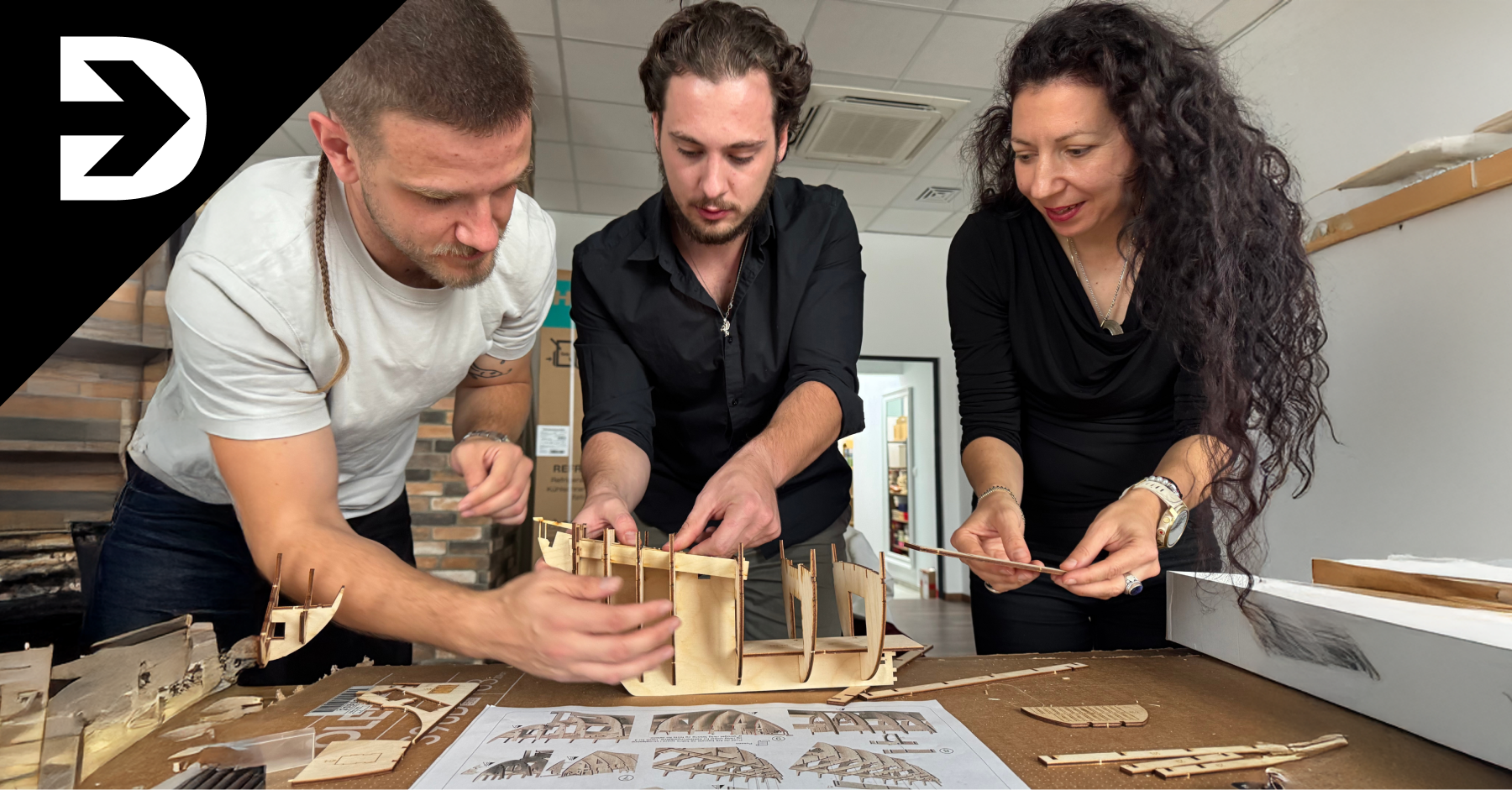
She started sketching hardware designs straight from the heart. Six months later, after assembling a team of top-tier engineers, she found herself as the proud creator of Framored’s first working prototypes.
The core philosophy behind Framored can be summed up in seven words: Be where humans shouldn't or don't want to be.
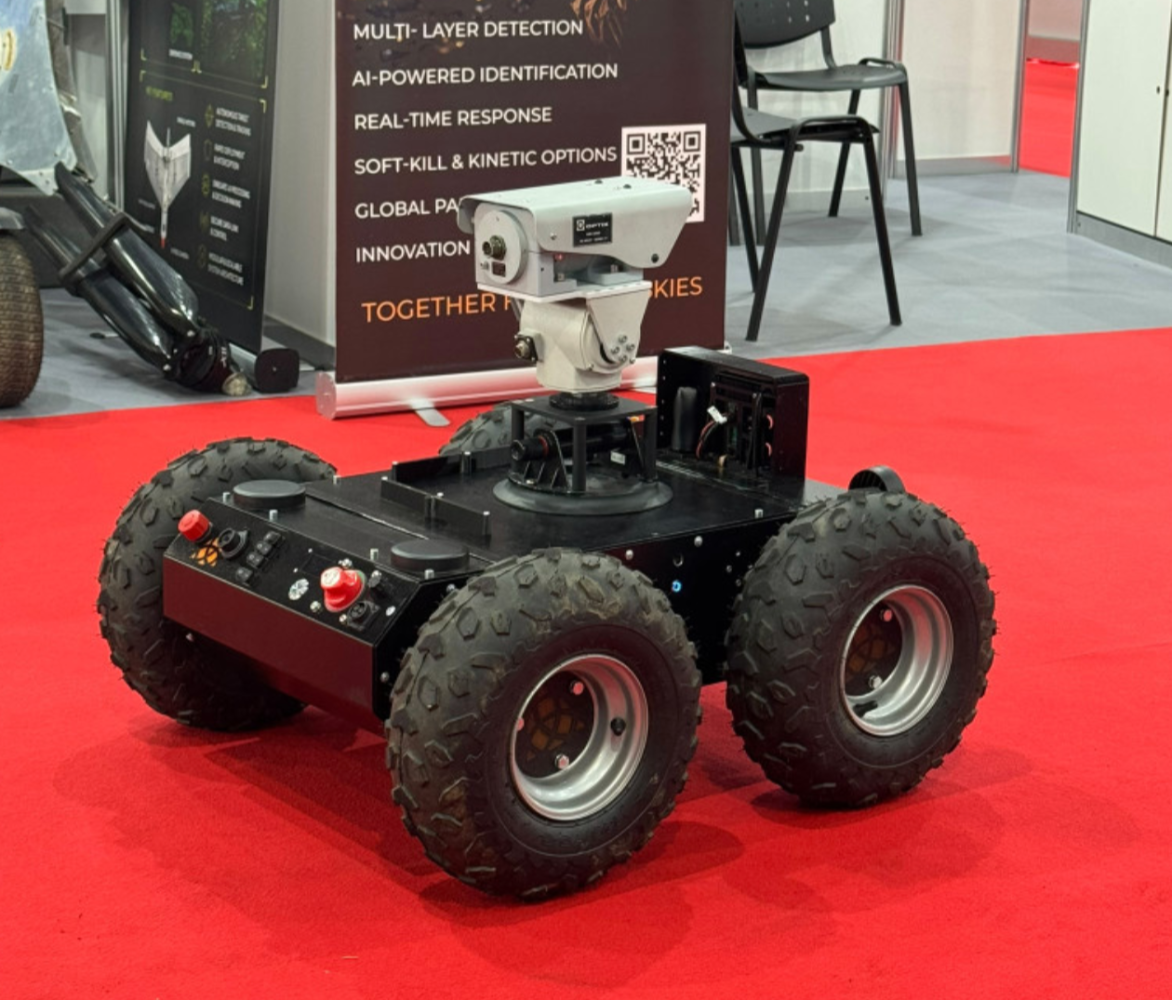
Whether it’s a site with toxic contamination, an active fire, an industrial hazard, or a high-risk defense perimeter, there is zero reason to put human lives on the line when a machine can do the heavy lifting.
By keeping operators safely off-site, these systems take over high-precision tasks in environments standard crews shouldn't enter. Remote technicians maintain full real-time control while the platforms handle physical wear and technical execution—seamlessly managing structural drilling, surface painting, heavy excavation, and continuous perimeter monitoring without ever exposing human workers to injury or burnout.
We often hear about AI as something that lives purely inside a screen. But as Nvidia’s Jensen Huang pointed out earlier this year, the real revolution happens when AI gets physical.
Marina calls this intersection "Phygital"—the seamless blend of physical machinery and software logic.
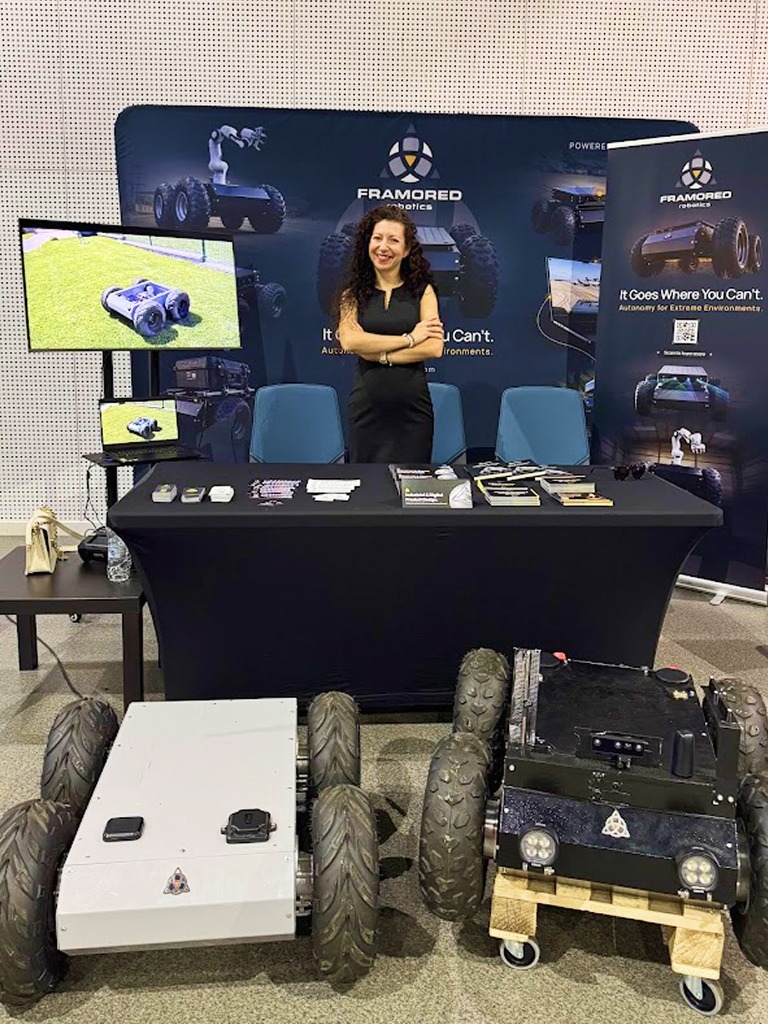
Phygital is not simply a physical product with an app attached, but a unified system where a product no longer ends where its enclosure ends.
Instead, it seamlessly connects five essential elements: the Physical hardware that acts in the world, the Software logic that can adapt after delivery, the Data serving as the memory of everything it has seen, the AI providing real-time judgement, and the ultimate human experience that depends on trust.
Framored builds both the hardware platform (Fram Core) and the software brains from scratch, because true autonomy requires a perfect balance. You can put the smartest chip in the world on a robot, but if the frame can't handle mud, dust, or impact, it's useless. Conversely, a tough steel frame without good sensor data is just a remote-controlled toy.
One of the points Marina stressed most is keeping production local. Building critical robotics technology in Europe and specifically in Bulgaria. This isn't just about pride; it's about technological sovereignty. Depend on fragile, far-away supply chains, and you risk getting stuck when you need parts most.
Right now, Framored is rolling out a pre-series run of 5 to 10 refined units for real-world field testing with anchor clients. The next step? Scaling up to a full production factory with strategic investors who share the vision.
To wrap up her recent interview, Marina had one simple piece of advice for young founders starting out in the age of AI:
"Always focus on what artificial intelligence cannot do. The key to success remains utility. Doing something that genuinely contributes, protects human life, and makes the world work better."
We couldn't agree more. The future of tech isn't just about writing code; it's about building tools that step up when humans need them most.

Our friendly team would love to hear from you.
By submitting this form you agree with our Privacy Policy

